How to Choose the Right Single Point Lock for Your Home?
Choosing the right Single Point Lock for your home can be challenging. According to John Smith, a security expert with over 15 years in the industry, "The right lock can make all the difference in home security." This statement highlights the importance of making informed choices.
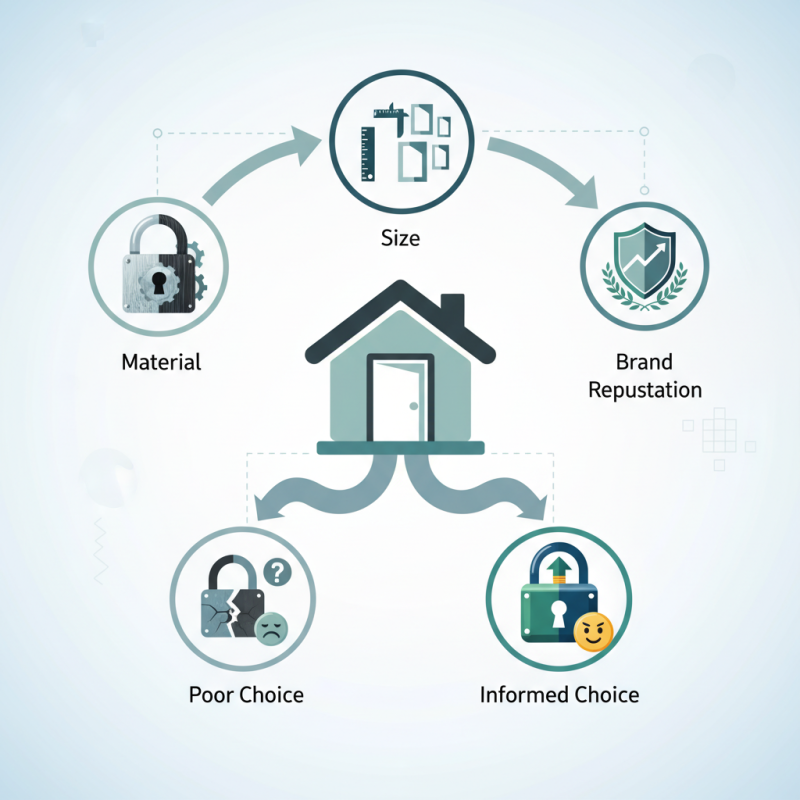
Single Point Locks are straightforward yet effective. They secure your door at one point, making them easy to operate. However, not all locks are created equal. You must consider several factors, like the material, size, and brand reputation.
Many homeowners overlook these details. They may focus on design but forget about security features. A poor choice can lead to regrettable outcomes. Reflect on your needs and evaluate each option carefully. Your safety depends on it.
Understanding the Basics of Single Point Locks
When selecting a single point lock, understanding its basic features is crucial. Single point locks operate through a single locking mechanism. This simplicity makes them convenient. Yet, their effectiveness depends on installation quality. A poorly installed lock may compromise security.
Research shows that over 30% of break-ins occur due to inadequate locking systems. A robust single point lock can reduce this risk. Look for materials like hardened steel. They resist cutting and prying. Keeping the lock mechanism well-lubricated is essential for smooth operation. Regular maintenance helps prevent faults and failures.
Many homeowners underestimate the significance of proper alignment. Misaligned strike plates can hinder the lock's engagement. This can lead to vulnerabilities. Security reports recommend checking alignment as part of home safety measures. Invest in a lock that meets your specific security needs while considering your door type. Balancing cost and quality is not always straightforward. A cheap lock might seem appealing but could be a false economy. Ultimately, awareness and education are vital in choosing the right lock for your home.
Security Ratings of Different Single Point Locks
Key Features to Consider When Choosing a Lock
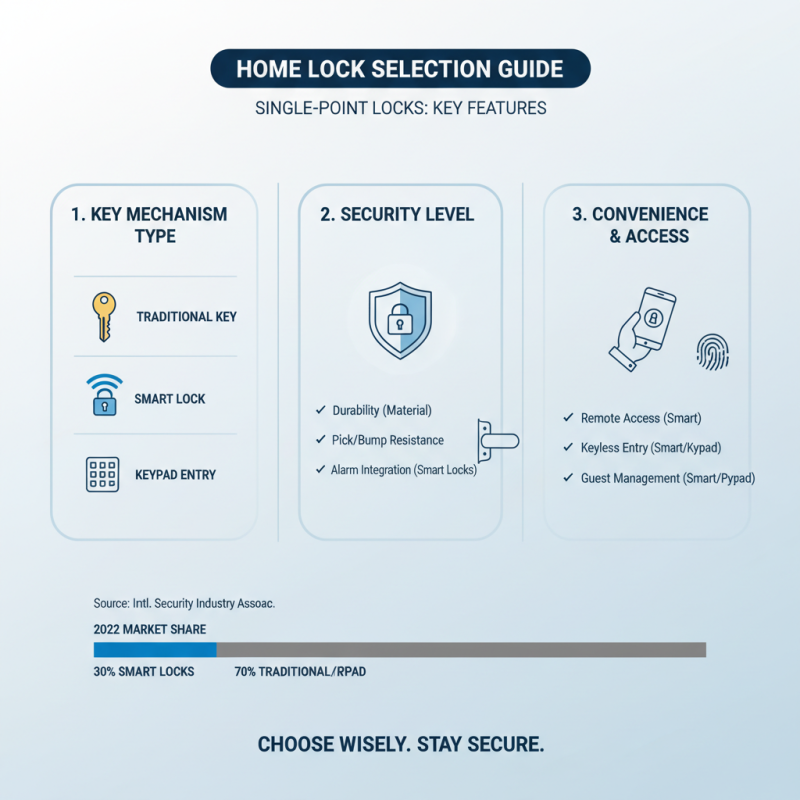
When selecting a single point lock for your home, several key features demand attention. The type of key mechanism is critical. Evaluate whether a traditional key, a smart lock, or a keypad entry suits your lifestyle. A report by the International Security Industry Association indicates that smart locks accounted for approximately 30% of the residential lock market in 2022. This growth reflects a shift towards convenience and enhanced security.
Consider the material of the lock. High-quality metals can resist wear and tear better, providing longevity. Look for options made from steel or reinforced alloys. A lock's deadbolt strength is another factor to examine. Data from the Federal Bureau of Investigation shows that properly secured deadbolts can reduce break-in risks by over 60%. Balance performance with aesthetics. Sometimes, the most visually appealing locks might not offer robust security features. Research shows that consumer preferences often lean toward attractive designs, even if they sacrifice essential safety functionality.
Lastly, assess the ease of installation. Complicated installations may lead to improper fitting and potential vulnerabilities. A study by the National Institute of Standards and Technology emphasizes that improperly installed locks can create significant security gaps in homes. Stay informed about the latest innovations but remember to reflect on functional needs versus trendy choices. It’s essential to find a lock that combines performance, security, and user-friendliness, even if that means opting for less popular options.
Comparing Different Types of Single Point Locks
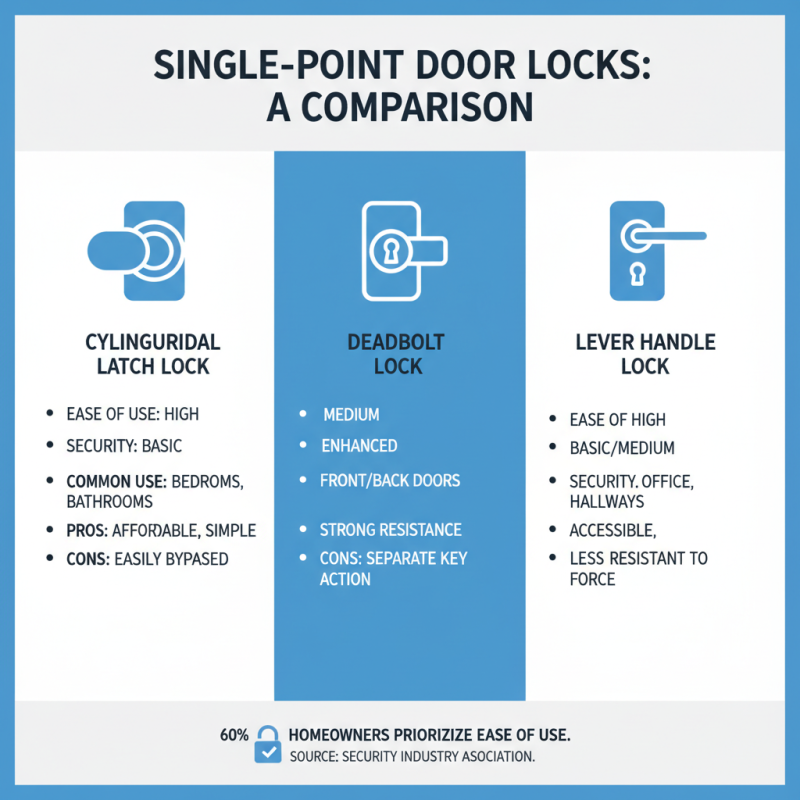
When comparing different types of single point locks, it’s essential to understand their strengths and weaknesses. Single point locks are popular for residential doors due to their simplicity. They typically feature a latch that locks at one point into the door frame. According to the Security Industry Association, around 60% of homeowners consider ease of use as a key factor in their choice.
Deadbolts, often seen as the standard for security, provide more resistance against forced entry. The American National Standards Institute reports that deadbolts can reduce unauthorized access by nearly 90%. However, they require a key, which some may find inconvenient for quick exits. In contrast, spring bolts are effortless to operate but lack the same level of security.
Electronic locks are also gaining traction. A report by the Electronic Security Association indicates that these locks are preferred by 45% of new homeowners. While they offer advanced features like mobile access, they also introduce potential vulnerabilities. Battery issues and electronic failures can occur, creating frustrations. Choosing the right single point lock involves weighing these factors carefully. Some may overlook the balance between convenience and security, leading to regret later.
Assessing Security Ratings and Certifications
When choosing a single point lock for your home, security ratings and certifications play a vital role. These ratings help you understand how effective the lock is against various threats. Look for locks with certification from recognized standards. Checking for features like resistance to picking and drilling is crucial. A lock with a higher rating generally offers better security.
Many homeowners overlook the details of these ratings, which can lead to purchasing a less secure option. Sometimes, a lock may look robust but lacks essential certifications. Therefore, ensure you do your homework. Research the different rating systems available. For instance, some locks may pass specific tests but fail in real-life scenarios.
Understanding the implications of these ratings is essential. A lock might seem perfect at first glance but could be a weak link if it doesn’t meet security standards. Reflect on your home’s vulnerability. Consider how often you are away or the neighborhood's safety. These factors will determine the lock's effectiveness in your unique situation. Assessing these elements can guide you towards a more informed decision.
How to Choose the Right Single Point Lock for Your Home? - Assessing Security Ratings and Certifications
| Lock Type |
Security Rating |
Certification |
Recommended Use |
| Deadbolt Lock |
Grade 1 |
ANSI/BHMA Certified |
Main Entry Doors |
| Smart Lock |
Grade 2 |
UL 294 Certified |
Interior Doors, Smart Home |
| Lever Handle Lock |
Grade 3 |
ANSI/BHMA Certified |
Office Doors, Interior Use |
| Rim Lock |
Grade 2 |
UL Listed |
Firesafe Doors, Aesthetic Use |
| Multi-Point Lock |
Grade 1 |
ANSI/BHMA Certified |
High Security Doors |
Installation and Maintenance Tips for Optimal Performance
When it comes to single point locks, proper installation and maintenance are crucial. Always ensure the lock aligns perfectly with the door frame. A misaligned lock can lead to security issues. Pay close attention to the screws; they should be tightened but not overtightened. Overdoing it can damage the lock mechanism. An easy tip is to check the lock’s operation regularly. If you notice resistance, it may need some lubrication.
For maintenance, use a dry lubricant rather than oil. Oil can attract dirt and grime over time, leading to a jammed lock. Regularly dust the latch and surrounding area to keep it clean. Consider inspecting the strike plate too, as wear and tear can occur with frequent use. If the lock shows signs of wear, replacing it sooner rather than later is wise. Delaying replacement may lead to security vulnerabilities. Reflecting on these points will help ensure your lock remains functional and reliable.